
A garden room is one of the most popular ways to gain extra living space without moving house or extending your home. Whether you want a quiet office, a gym or a place for the kids to play, a well-built garden room adds flexibility and value to your property. This guide explains what a garden room is, what it’s used for, and how to decide if one is right for you.
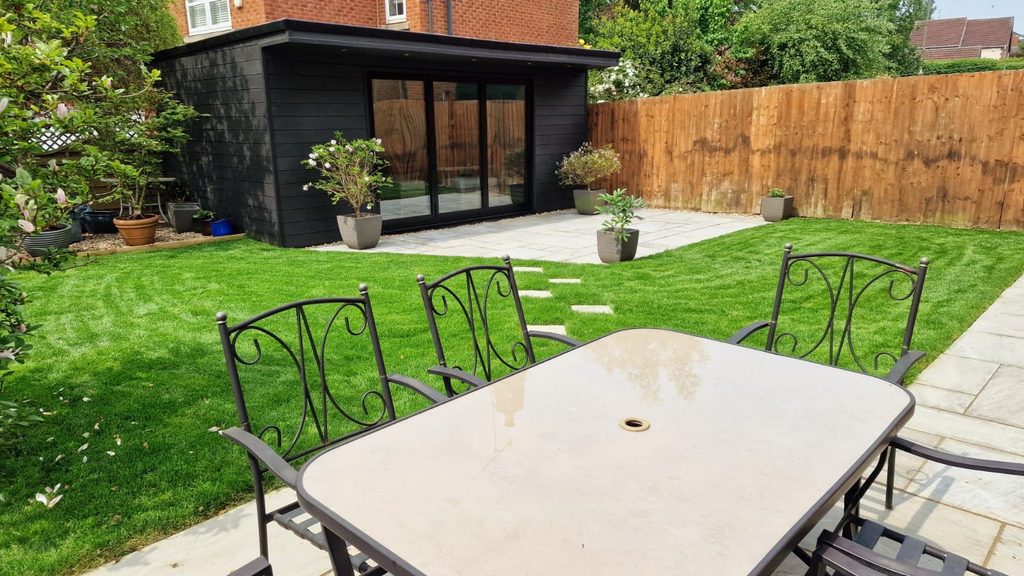
What Is a Garden Room?
A garden room is a fully insulated, purpose-built structure in your garden that you can use all year round. Unlike a basic shed or summerhouse, it is designed as a proper extension of your living space. It sits separately from your main house, usually on a solid foundation such as a concrete slab, ground screws or a raft base.
Most garden rooms include:
- Insulated walls, floor and roof
- Double-glazed windows and doors
- Electrics for lighting, sockets and heating
- Internal finishes such as plasterboard or timber cladding and quality flooring
Many are bespoke, so the size, layout and finish can be tailored to your garden and your needs. Broadband, heating, air conditioning and even plumbing can be added, which is why a garden room feels like a real room rather than an outbuilding.
What Is a Garden Room Used For?
The flexibility of a garden room is its biggest strength. Here are the most common uses.
1. Garden Office
Remote and hybrid working has made the garden office the most popular choice. It separates work from home life, so you can “commute” down the garden path and switch off at the end of the day. With good insulation, natural light and a strong internet connection, it’s comfortable in every season.
2. Garden Gym
A garden gym saves membership fees and gives you a private space for weights, cardio equipment or yoga. Rubber flooring, mirrors and good ventilation make it practical, and you can train whenever it suits you.
3. Garden Games Room
A garden games room is a favourite for families. Popular features include:
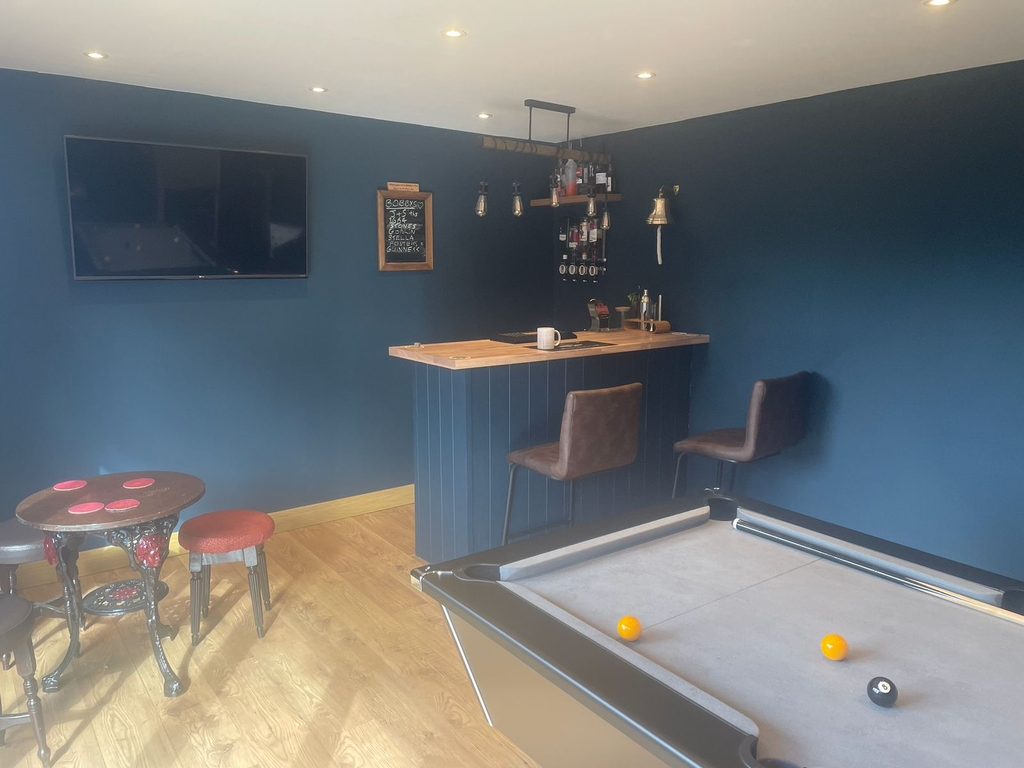
- Pool, snooker or table tennis tables
- Darts boards and arcade machines
- Console gaming and a cinema-style setup
- Seating and a small bar area
It keeps the noise and clutter out of the house and gives teenagers and adults their own hangout.
4. Garden Studios
Artists, musicians, photographers, podcasters and craftspeople use garden studios as creative retreats. Large windows bring in natural light, while extra sound insulation suits music and recording.
5. Granny Annexes
A garden room can work as an annexe for elderly relatives or adult children, giving them independence while keeping them close. This usually needs a bathroom, a kitchenette and a heating system, and it’s the use most likely to trigger planning and building regulation requirements, so always check first.
6. Garden Bars
If you like to entertain, a garden bar with a counter, fridge, seating and ambient lighting makes a great social space for parties, barbecues and celebrations.
What Is the Difference Between a Garden Room and a Conservatory?
The two are often confused, but they are quite different.
A conservatory is attached to your house and made mostly of glass or uPVC. Because of that glazing, it can get very hot in summer and cold in winter. It’s an extension of your existing building and often needs building regulations approval.
A garden room is a standalone building, usually with solid, insulated walls and a well-insulated roof. That makes it far more comfortable all year round. It also gives you separation from the house, which is ideal for work, hobbies or guests. Conservatories are best for extending a kitchen or dining room with garden views. Garden rooms are best when you want a self-contained, temperature-controlled space.
What Is the Difference Between a Garden Room and a Shed?
Both sit in your garden, but their purpose and quality are very different.
| Fetaures | Garden Room | Shed |
| Insulation | Full wall, floor and roof insulation | Usually none |
| Power | Electrics, lighting, heating | Rarely |
| Use | Living, working, relaxing | Storage |
| Foundations | Solid, engineered base | Often slabs or bearers |
| Finish | Plastered or lined interior | Bare timber |
| Comfort | Usable year-round | Damp and cold in winter |
A shed stores your mower, tools and bikes. A garden room is a place you actually spend time in.
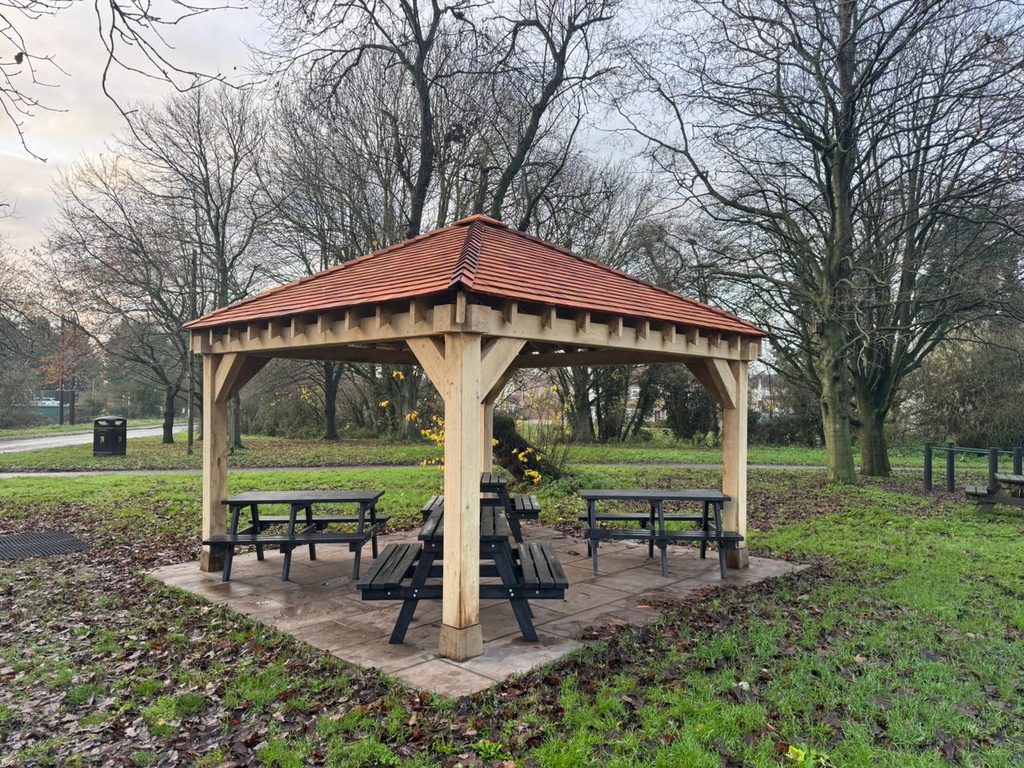
If you need both, a garden room with shed is an excellent solution. The building has a comfortable insulated room at one end and a separate storage area at the other, often with its own external door. You get an office or gym and somewhere to keep your garden equipment, all under one roof line with a single, neat appearance.
What Are the Benefits of a Garden Room?
- Extra space without moving. A garden room adds usable space for a fraction of the disruption of moving.
- Added property value. A well-built, high-quality garden room can make your home more attractive to buyers, especially if it works as an office or annexe.
- Work-life balance. A dedicated space away from the house helps you focus and switch off.
- Year-round comfort. Insulation and heating make it usable in winter, while good ventilation keeps it cool in summer.
- Less disruption. Most garden rooms are built off-site or assembled quickly, so building work is often finished in days or weeks rather than months.
- Flexibility. Your needs will change. A playroom can become an office, then a guest space.
- Added facilities. A garden room with toilet and kitchenette is ideal for a home office, annexe or entertaining space, as it means you never need to walk back to the house. Adding plumbing requires proper drainage and water connections, so it needs planning and professional installation.
Is a Garden Room Right for Your Home?
A garden room suits you if:
- You need extra space but don’t want to move or build a full extension
- You have enough garden to fit a building while keeping outdoor space
- You want a quiet, private space for work, hobbies or family
- You want a long-term investment that adds value and function
Before you commit, think about:
- Purpose: What will you use it for most? This decides the size, layout, power and any plumbing.
- Size and position: Consider access, sunlight, privacy and how it looks from the house.
- Ground conditions: Slopes, trees and drainage affect the foundations.
- Regulations: Check planning and building rules before you build.
Frequently Asked Questions
1. Do I need planning permission for a garden room?
Not always. Many garden rooms fall under permitted development rules, but this depends on the size, height and position of the building, and on whether you live in a conservation area or a listed property. It’s always best to check with your local council before you build.
2. How much does a garden room cost?
The cost of a garden room depends on its size, specification, insulation, glazing, and any extras such as electrics, a toilet or a kitchenette. Because every garden and requirement is different, the best way to get an accurate price is to ask for a free, itemised quote from a garden room builder.
3. Can you live in a garden room?
In most cases, garden rooms are for incidental use, such as an office, gym or hobby room, rather than as a permanent main home. Using one as a sleeping space or self-contained home usually requires planning permission and building regulations approval. Speak to your local planning authority before you convert it into living accommodation.
4. Can you have a toilet and shower in a garden room?
Yes, with the right groundwork. You’ll need a connection to the mains drainage or a suitable alternative, along with water and electrical supplies. This is commonly done in home offices, annexes and entertainment rooms. A qualified plumber must do the installation, and building regulations may apply.
5. Are garden rooms insulated?
A good-quality garden room is fully insulated in the floor, walls and roof, usually with materials such as PIR boards or mineral wool. This keeps the room warm in winter and cool in summer, and it cuts your heating costs. Cheaper timber buildings and summerhouses are often uninsulated, so always confirm the specification before you buy.
Ready to Build Your Dream Garden Room?
A garden room can transform how you live, work and relax at home. If you’re looking for garden rooms in Sheffield, MCF Garden Rooms designs and builds bespoke buildings to suit your garden and your lifestyle. From offices, gyms and games rooms to rooms with a toilet and kitchenette, we manage the whole process, from design to installation.
Get in touch today for a free, no-obligation quote. Contact MCF Garden Rooms to plan the space you’ve always wanted. Prefer to see what our customers say first? Find us on Google: View MCF Garden Rooms on Google Maps to read reviews, see photos of our recent projects, get directions, or call us directly.